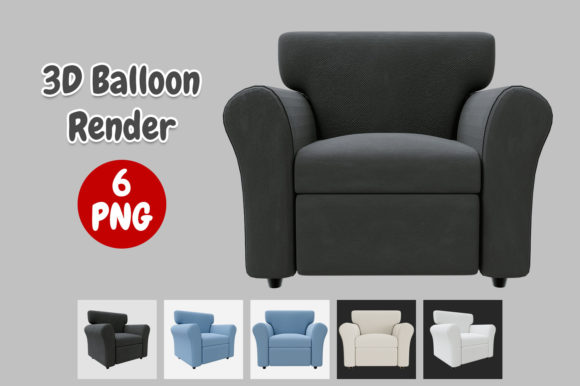
Unlocking Creative Potential: The Power of High-Resolution Living Room Sofa 3D Renders
In the rapidly evolving landscape of digital design, the demand for high-quality visual assets has never been greater. Whether you are a graphic designer crafting an invitation, a social media manager curating content, or an advertiser launching a new campaign, the foundation of your work often rests on the quality of your imagery. Among the most versatile and sought-after assets in modern creative workflows is the Living Room Sofa 3D Render. Specifically, resources that offer specification files in PNG file type with dimensions around 4700px x 4200px represent a gold standard for clarity and flexibility.
This article aims to demystify the value of these specific digital assets. We will explore what makes a high-resolution cutout image essential, why transparent backgrounds matter, and how such files fit seamlessly into various professional and personal projects. By understanding the technical and aesthetic significance of these renders, creators can elevate their output from amateur to professional grade.
What Defines a Premium 3D Render Asset?
To the untrained eye, an image is simply an image. However, in the world of digital production, the specifications define the utility. A Living Room Sofa 3D Render is not merely a photograph; it is a computer-generated interpretation of furniture designed to look photorealistic. When we discuss a file with a size of approximately 4700px x 4200px, we are talking about ultra-high definition.
Why does resolution matter? In simple terms, resolution dictates how large you can print or display an image without it becoming pixelated or blurry. A standard web image might be 800 pixels wide, which is fine for a small thumbnail. However, for posters, large advertisements, or high-definition video elements, you need significantly more data. A 4700-pixel width allows designers to scale the image down for web use while retaining crisp edges, or use it at near-full size for large-format printing. This versatility is crucial for businesses that need one asset to work across multiple platforms.
The Critical Role of Transparent Backgrounds and Cutouts
One of the most frustrating hurdles for designers is removing backgrounds from images. This process, known as "masking," can be time-consuming and often results in jagged edges or lost detail. This is where the concept of a cutout image with a transparent background becomes invaluable.
When a 3D render is delivered as a PNG file with transparency, the sofa exists in isolation. There is no room, no wall, and no floor attached to it unless the designer chooses to add them. This offers several distinct advantages:
- Seamless Integration: You can place the sofa onto any colored background, pattern, or existing photograph without worrying about white halos or mismatched lighting from the original scene.
- Layering Flexibility: In software like Photoshop or Canva, transparent PNGs allow text to be placed behind or in front of the furniture, creating dynamic depth in greeting cards and invitations.
- Time Efficiency: Designers save hours of editing time, allowing them to focus on creativity rather than technical cleanup.
Furthermore, the assurance of no watermarks is vital for professional use. Watermarked images are suitable only for previews; they cannot be used in final commercial products. Access to clean, watermark-free files ensures that your final output looks polished and trustworthy.
Practical Applications in Modern Media
The utility of a high-specification sofa render extends far beyond interior design catalogs. Let us explore how these assets empower different sectors of the creative industry.
E-Commerce and Advertising
In the realm of online retail, presentation is everything. Furniture sellers often struggle with the cost of physical photography shoots, which require staging, lighting, and models. A 3D render provides a cost-effective alternative. With a 4700px x 4200px file, an advertiser can create massive billboards or detailed website banners. The transparency allows the product to be placed against a brand's specific color palette, ensuring consistency across all advertisements and posters.
Social Media and Content Creation
Social media platforms demand constant fresh content. For influencers and brands focusing on home decor, lifestyle, or real estate, having a library of high-quality sofa cutouts is a game-changer. These images can be used as social media element content to announce sales, showcase new collections, or create engaging stories. Because the files are so large, they can be cropped into various aspect ratios (square for Instagram, vertical for TikTok/Reels covers) without losing quality.
Print Media: Greetings and Invitations
It may seem surprising, but furniture renders are increasingly popular in greeting cards and invitation headers. Consider a housewarming party invitation; featuring a stylish, realistic sofa sets the tone immediately. Similarly, for interior design firms sending out holiday cards, a cozy living room scene built from 3D assets conveys warmth and professionalism. The high resolution ensures that when these cards are printed, the texture of the fabric and the sharpness of the lines remain perfect.
Bridging Technology and Creativity
The existence of such detailed assets highlights the convergence of technology and art. 3D rendering technology has advanced to a point where virtual objects are indistinguishable from reality. This democratization of high-end visuals means that small businesses and independent creators can access the same quality of imagery as major corporations.
However, a common misunderstanding is that "3D" implies "cartoonish." Modern rendering engines simulate light, shadow, and material physics with incredible accuracy. A well-made sofa render will show the weave of the fabric, the reflection on wooden legs, and the softness of cushions. When you download a specification file of this nature, you are accessing a piece of digital art that adheres to the laws of physics, making it believable to the human eye.
Building a Broader Understanding of Digital Assets
For those new to digital design, understanding file types is the first step toward mastery. While JPEGs are common, they do not support transparency. This is why the PNG file type is specified for these sofa renders. PNGs use lossless compression, meaning the image quality does not degrade every time you save it, and they support the alpha channel required for transparent backgrounds.
Moreover, the dimensions 4700px x 4200px suggest an aspect ratio that is slightly wider than it is tall, perfectly suited for landscape orientations common in web headers and wide-screen video content. Yet, the sheer pixel count allows for cropping into portrait modes for mobile-first strategies. This adaptability is the hallmark of a truly useful digital asset.
Conclusion: Elevating Your Projects
In conclusion, the Living Room Sofa 3D Render described here is more than just a picture of a couch. It is a strategic tool for communication, marketing, and artistic expression. The combination of ultra-high resolution (4700px x 4200px), the flexibility of the PNG format, and the convenience of a transparent background creates a resource that is indispensable for modern creators.
Whether you are designing a video element, composing an advertisement, or crafting a heartfelt greeting card, the quality of your source material dictates the quality of your final product. By utilizing watermark-free, high-specification 3D assets, you ensure that your work stands out in a crowded digital landscape.
If you have any questions regarding the usage of these files, licensing details, or how to integrate them into your specific workflow, please feel free to contact me through my profile page. I am glad to help you navigate these tools and achieve your creative goals. Embrace the power of high-fidelity 3D rendering and transform the way you present your ideas to the world.