Mastering the Website Design Mockup Template
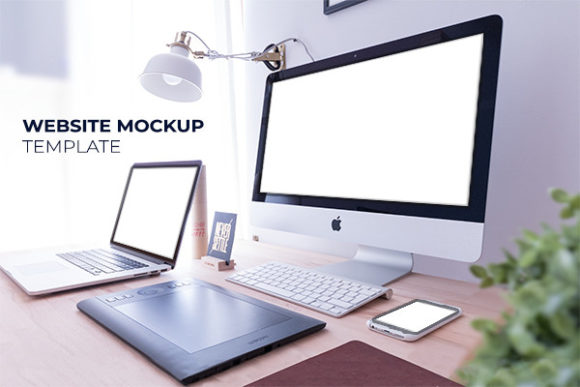
In the fast-paced digital landscape, the difference between a project that launches smoothly and one that stalls in development often comes down to preparation. Imagine standing before a construction site where the architects have only sketched a rough outline on a napkin. Chaos would ensue. The same principle applies to building an online presence. This is where a Website Design Mockup Template becomes an indispensable asset for professionals, entrepreneurs, and creators alike. It serves as the critical bridge between a abstract concept and a fully functional reality, providing a high-fidelity simulation that allows stakeholders to visualize the final product before a single line of code is written.
A website mockup is far more than just a pretty picture; it is a strategic tool that combines the structural logic of a wireframe with the visual richness of the final interface. By integrating images, graphics, typography, and UI elements, these templates offer a realistic preview of how a site will look and feel. For small business owners and marketers, this clarity is invaluable. It transforms vague ideas into tangible assets that can be reviewed, critiqued, and refined. When you utilize a well-structured Website Design Mockup Template, you are not merely designing pages; you are orchestrating a user experience that aligns with your brand identity and business goals.
Catching Design Errors Before They Become Costly
One of the most compelling reasons to invest time in creating detailed mockups is the ability to catch design errors early in the process. When you put together a website mockup, you get to see whether your design works or not, both in practical terms and aesthetically. In the heat of development, it is easy to overlook how a specific color contrast affects readability or how a navigation menu behaves on a mobile device. A mockup brings these issues to the surface when they are still easy and cheap to fix.
Consider a scenario where a freelancer is building an e-commerce site for a client. Without a mockup, the developer might spend days coding a checkout flow that looks great on a desktop but breaks completely on a smartphone. By using a Website Design Mockup Template that includes various device views, the designer can spot this responsiveness issue immediately. This proactive approach allows teams to iterate on their methods until they achieve perfect aesthetic harmony and functional integrity. It reduces the risk of costly rework and ensures that the final product meets user expectations from day one.
Streamlining Communication Among Stakeholders
Communication breakdowns are a common pitfall in web projects. Clients often struggle to visualize what a developer describes in technical jargon, while developers may misinterpret a client's vague requests. A high-fidelity mockup acts as a universal language. It provides a concrete reference point that everyone can understand, regardless of their technical background. When you present a Website Design Mockup Template to a group of stakeholders, you eliminate ambiguity. Everyone sees the same layout, the same colors, and the same hierarchy.
This shared vision fosters more productive feedback sessions. Instead of debating abstract concepts, discussions focus on specific elements within the mockup. For educators and publishers launching new platforms, this means ensuring that content hierarchy supports learning objectives without getting lost in translation. Marketers can verify that call-to-action buttons are placed strategically to drive conversions. By grounding conversations in a visual reality, teams can make decisions faster and with greater confidence, ultimately accelerating the path to market.
Enhancing Efficiency and Reducing Development Costs
Time is money, especially for startups and small businesses operating with limited resources. The short answer to why you should design a website mockup is that it gets your product to the market more efficiently, reduces development costs, and increases the chances of its long-term success. When developers receive a comprehensive set of mockups, they spend less time guessing and more time coding. The specifications for spacing, fonts, and interactive states are already defined, which streamlines the handoff process from design to development.
Furthermore, a Website Design Mockup Template helps prevent scope creep. When the visual boundaries of the project are clearly established upfront, it becomes easier to identify when a new request falls outside the original agreement. This protects both the service provider and the client from unnecessary delays and budget overruns. For hobbyists and bloggers turning their passion projects into professional sites, this efficiency is crucial. It allows them to launch their platforms quickly, start generating traffic, and begin monetizing their content without getting bogged down in endless revision cycles.
Fostering Creativity Within a Structured Framework
Some might argue that using a template restricts creativity, but the opposite is often true. A solid framework frees the mind to focus on innovation rather than reinventing the wheel. A Website Design Mockup Template provides a reliable foundation, handling the mundane aspects of layout and grid systems so that designers can concentrate on branding, storytelling, and user engagement. This balance between structure and freedom is essential for producing high-quality work consistently.
For instance, a creative agency working on multiple client projects can use a base template to maintain quality standards while customizing the visual elements to suit each brand's unique voice. This approach ensures that no detail is overlooked while allowing ample room for artistic expression. It encourages experimentation with different color palettes, imagery styles, and micro-interactions within a safe environment. If an idea doesn't work in the mockup stage, it can be discarded without consequence, encouraging a culture of bold experimentation that leads to breakthrough designs.
Who Benefits Most from High-Fidelity Mockups?
While almost anyone involved in web creation can benefit from mockups, certain groups find them particularly transformative. Entrepreneurs launching MVPs (Minimum Viable Products) need to validate their ideas quickly; mockups allow them to test concepts with potential users before investing in full-scale development. Freelancers benefit by presenting polished visuals that justify their rates and build trust with clients. Corporate teams use them to align cross-functional departments, ensuring that sales, support, and product teams are all working toward the same user experience goals.
However, it is important to recognize that mockups are not a one-size-fits-all solution. For very simple landing pages or rapid prototypes, a low-fidelity wireframe might suffice. Over-designing a simple project can lead to diminishing returns. Users should assess the complexity of their project and the needs of their audience before committing to a detailed mockup process. Additionally, while a mockup shows how a site looks, it does not always demonstrate how it behaves. For complex interactions, supplementing mockups with interactive prototypes may be necessary to fully validate the user journey.
Making the Right Choice for Your Project
Selecting the right Website Design Mockup Template requires understanding your specific goals. Are you prioritizing speed to market, or is brand differentiation your primary concern? Do you need a template that supports extensive content libraries, or one optimized for visual storytelling? By answering these questions, you can choose a template that aligns with your strategic objectives. Look for templates that offer flexibility, clean code structures, and responsive design capabilities.
Ultimately, the goal is to create a digital product that resonates with users and achieves business outcomes. A well-executed mockup process supports this goal by clarifying vision, reducing risk, and enhancing collaboration. Whether you are a seasoned developer or a first-time blogger, embracing the power of high-fidelity simulation can elevate the quality of your work. It turns the uncertain journey of web design into a structured, predictable, and successful endeavor. By investing in the planning phase with robust tools, you set the stage for a website that not only looks exceptional but performs flawlessly in the real world.