Mastering Visual Depth with Isometric 3D Beach Set Icons
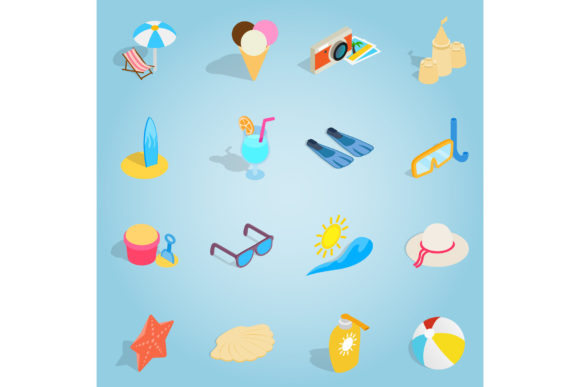
In the rapidly evolving landscape of digital design, the shift from flat, two-dimensional graphics to immersive, depth-rich visuals has become a defining trend. Among the most versatile tools available to modern creators are Beach Set Icons, Isometric 3d Style. These assets represent more than just decorative elements; they are functional building blocks that help designers construct engaging narratives for web and mobile user interfaces. By combining the playful allure of coastal themes with the structural precision of isometric projection, these icons offer a unique solution for projects requiring both clarity and visual interest.
The concept of isometric design involves drawing objects in a way that represents three dimensions on a two-dimensional surface, without the distortion of perspective. When applied to a beach set, this technique transforms simple symbols like umbrellas, surfboards, and palm trees into tangible,立体 (three-dimensional) objects that appear to sit naturally within a digital space. This article explores the utility, characteristics, and practical applications of these vector illustrations, providing guidance on how to integrate them effectively into your workflow.
The Strategic Value of Isometric Aesthetics
Why choose an isometric style over traditional flat icons? The answer lies in human perception and user engagement. Our brains are wired to respond positively to depth and dimension. An isometric beach set creates a sense of environment rather than just displaying isolated data points. When a user lands on a travel booking site or a summer event app, seeing a cohesive collection of 3D-style elements immediately establishes a mood. It suggests relaxation, fun, and adventure before a single word is read.
Furthermore, Beach Set Icons, Isometric 3d Style provide excellent hierarchy. In complex user interfaces, distinguishing between primary actions and secondary information is crucial. The added dimension of isometric art allows certain elements to pop out, guiding the user's eye naturally through the interface. For instance, a 3D-rendered ice cream cone can serve as a more compelling call-to-action button than a flat silhouette, increasing click-through rates through sheer visual appeal.
Core Components of a Universal Beach Collection
A comprehensive universal beach icons pack typically includes a wide array of elements designed to cover various aspects of coastal life. To ensure maximum versatility for web and mobile UI, these collections generally feature:
- Infrastructure: Lifeguard towers, wooden boardwalks, beach huts, and pier structures.
- Recreation Gear: Surfboards, volleyballs, snorkeling masks, flippers, and inflatable rings.
- Natural Elements: Palm trees, coconuts, seashells, starfish, and stylized waves.
- Comfort Items: Striped umbrellas, lounge chairs, coolers, and sunscreen bottles.
- Characters and Activities: Figures building sandcastles, swimming, or sunbathing.
The strength of a high-quality vector illustration set lies in its modularity. Because these items are created as separate entities, designers can mix and match them to create custom scenes. You might combine a specific umbrella style from one layer with a unique chair from another to match a brand's specific color palette. This flexibility is essential for maintaining brand consistency while leveraging pre-made assets.
Technical Formats and Workflow Integration
For professionals, the utility of an asset pack is often determined by the file formats provided. A robust collection of Beach Set Icons, Isometric 3d Style should offer a variety of formats to suit different stages of the design and development process. Understanding these formats is key to maximizing the value of your purchase.
- AI (Adobe Illustrator): This is the gold standard for vector editing. Having the source files in AI format allows designers to modify anchor points, change colors globally, and resize elements without any loss of quality. It is indispensable for creating custom variations.
- EPS (Encapsulated PostScript): A universal vector format compatible with many design programs beyond Adobe, such as CorelDRAW or Inkscape. EPS ensures that the isometric beach set icons remain scalable regardless of the software ecosystem you operate in.
- PSD (Photoshop Document): While primarily a raster program, PSD files with smart objects are vital for adding textures, shadows, and lighting effects that give the "3D" look its realism. Layers in PSD files allow for non-destructive editing of complex scenes.
- PNG (Portable Network Graphics): Essential for immediate implementation in web and mobile apps. PNGs support transparency, allowing the isometric icons to be placed over any background color or image without unsightly white boxes.
- JPG (Joint Photographic Experts Group): Useful for previews, mockups, and situations where file size is a critical constraint and transparency is not required.
When evaluating a set, always check if the vectors are properly organized. Are the layers named logically? Is the artwork grouped sensibly? A well-structured AI or PSD file can save hours of production time, whereas a messy file can turn a simple icon swap into a frustrating ordeal.
Real-World Applications Across Industries
The application of Beach Set Icons, Isometric 3d Style extends far beyond simple decoration. Various industries leverage these assets to solve specific communication challenges.
Travel and Hospitality: This is the most obvious use case. Airlines, hotel chains, and resort websites use these icons to illustrate amenities. An isometric icon of a cocktail next to a pool clearly communicates "all-inclusive luxury" more effectively than text. Mobile apps for booking vacations utilize these graphics to make the planning process feel like part of the holiday itself.
E-Commerce and Retail: Summer sales campaigns rely heavily on thematic visuals. Online stores selling swimwear, sunscreen, or outdoor furniture can use these icons to create seasonal landing pages. The 3D style adds a premium feel to product categories, elevating the perceived value of the goods.
Education and Infographics: Environmental organizations often use beach imagery to discuss ocean conservation, plastic pollution, or marine biology. An isometric style makes heavy data easier to digest. Instead of a dry chart about rising sea levels, an infographic using 3D beach elements can tell a story that resonates emotionally with the audience.
Gaming and Entertainment: Casual mobile games with summer themes often require a vast library of assets. A set of basic beach elements vector illustration provides a foundational kit for level designers to build environments quickly, ensuring visual consistency across different game screens.
Evaluating Suitability and Limitations
While Beach Set Icons, Isometric 3d Style are powerful, they are not a one-size-fits-all solution. Designers must critically evaluate whether this aesthetic aligns with their project goals.
Performance Considerations: Isometric graphics, especially those with complex gradients and shadows, can be heavier in file size than simple flat icons. For mobile applications where load speed is critical, it is important to optimize PNG exports or use SVG code derived from the EPS or AI files to keep the app lightweight.
Contextual Relevance: These icons carry a strong semantic meaning associated with leisure and warmth. Using them for a serious financial report or a medical emergency interface would create cognitive dissonance for the user. The playful nature of the isometric beach theme must match the tone of the content.
Customization Effort: Although vector files are editable, altering the lighting direction or the angle of an isometric object requires advanced skills. If your project requires the icons to match a light source coming from the top-left, but the stock set is lit from the bottom-right, significant rework may be needed. Always review the lighting consistency of the set before committing to it for a large-scale project.
Best Practices for Implementation
To get the most out of your universal beach icons, consider the following best practices:
- Maintain Consistency: Do not mix isometric icons with flat line icons unless there is a deliberate stylistic reason. The clash in dimensions can make the interface look unfinished.
- Use White Space: Isometric objects occupy more visual weight than flat icons. Give them room to breathe. Crowding them together can make the interface feel cluttered and chaotic.
- Leverage Animation: Isometric icons are fantastic candidates for micro-interactions. A subtle bounce on a surfboard icon or a swaying palm tree can add a layer of delight to the user experience without overwhelming the system resources.
- Check Accessibility: Ensure that the decorative nature of the icons does not interfere with screen readers. Use appropriate alt text if the icons convey information, or mark them as decorative if they are purely aesthetic.
In conclusion, Beach Set Icons, Isometric 3d Style represent a sophisticated intersection of art and utility. They offer designers a ready-made toolkit to inject personality, depth, and seasonal relevance into digital products. Whether you are building the next great travel app, designing a summer marketing campaign, or creating educational content about the oceans, these vector illustrations provide the flexibility and quality needed to succeed. By understanding their formats, respecting their limitations, and applying them with strategic intent, creators can transform standard interfaces into memorable visual experiences.