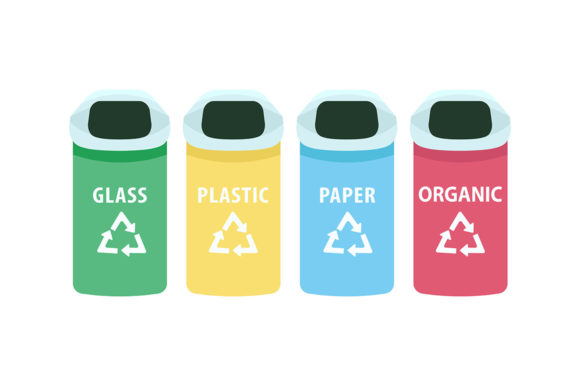
Mastering Waste Sorting Flat Color Vector Objects
In the fast-paced world of digital design, clarity often beats complexity. When you are building a website for an environmental NGO, creating an educational app for schools, or designing marketing materials for a municipal recycling program, your visual assets need to communicate instantly. This is where Waste Sorting Flat Color Vector Objects become indispensable. These aren't just clip art; they are functional design elements engineered to bridge the gap between confusing waste management protocols and user understanding. By utilizing a dedicated set of waste sorting flat color vector objects, designers and content creators can streamline their workflow while ensuring their message regarding sustainability lands effectively.
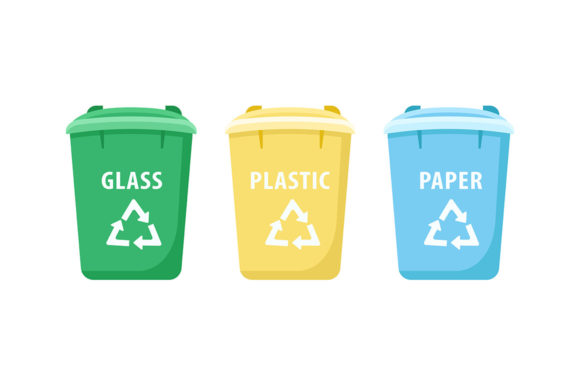
The core value of this collection lies in its specificity and format. Unlike generic stock photos that might look dated or clash with your brand's color palette, these vector illustrations offer isolation and flexibility. The set typically includes distinct containers for organic matter, plastics, paper, glass, and general waste, rendered in a clean, cartoon-style aesthetic. Because they are vectors (usually provided in EPS format alongside JPGs), they possess a mathematical precision that allows them to be scaled infinitely without losing quality. Whether you need a tiny icon for a mobile navigation bar or a large graphic for a printed billboard, the lines remain crisp and the colors vibrant.
Why Flat Design Works for Environmental Communication
You might wonder why "flat color" is the preferred style for such a serious topic as waste management. The answer lies in cognitive load. When users visit a webpage or view an infographic, they process simple shapes and solid colors much faster than complex gradients or realistic textures. A waste sorting flat color vector objects set reduces visual noise. It strips away unnecessary details like shadows, reflections, or grime, focusing purely on the function of the bin and the type of waste it accepts.
This approach aligns perfectly with modern UI/UX principles. In a professional context, consistency is key. If your website uses a flat design language, inserting a hyper-realistic photo of a garbage can creates a jarring disconnect. However, integrating these isolated cartoon illustrations ensures a cohesive look throughout your digital presence. The bright, distinct colors often used in these sets—greens for organics, blues for plastics, yellows for paper—leverage universal color psychology to guide user behavior subconsciously. You aren't just decorating a page; you are creating a visual hierarchy that instructs users on how to act.
Versatile Applications Across Industries
The utility of these graphics extends far beyond simple web decoration. Consider the diverse environments where clear waste communication is critical:
- Educational Platforms: Teachers and e-learning developers can use these assets to create interactive games or quizzes about recycling. The cartoon style appeals to younger audiences, making the learning process engaging rather than preachy.
- Municipal and Government Sites: Local councils often struggle to explain complex sorting rules. Using a standardized set of vector bins helps create clear, downloadable guides for residents, reducing contamination in recycling streams.
- Corporate Sustainability Reports: Businesses aiming to highlight their green initiatives can incorporate these graphics into annual reports or internal newsletters to visualize their waste reduction goals.
- Mobile App Development: For apps focused on eco-friendly living or zero-waste lifestyles, these isolated objects serve as perfect icons for categories, buttons, and achievement badges.
- Signage and Wayfinding: Because the files include high-resolution JPGs and scalable EPS vectors, they are ready for print. You can easily adapt them for physical signs in offices, parks, or event venues.
For freelancers and agency owners, having a pre-made, high-quality set like this saves hours of illustration time. Instead of drawing every bin from scratch or searching through disjointed stock libraries, you have a unified collection ready to deploy. This efficiency translates directly to better margins and faster project turnaround times.
Technical Advantages of the EPS and JPG Format
When evaluating a graphic resource, the file formats included are just as important as the artwork itself. A comprehensive Waste Sorting Flat Color Vector Objects package usually provides both EPS and JPG files, catering to different stages of the design process. The EPS (Encapsulated PostScript) file is the powerhouse here. It allows you to open the artwork in software like Adobe Illustrator, CorelDRAW, or Inkscape to modify anchor points, change colors to match your specific brand guidelines, or separate individual elements for animation.
On the other hand, the included JPGs offer immediate usability. If you are a blogger, a social media manager, or a marketer who doesn't have access to advanced vector editing tools, you can drag and drop these high-quality raster images directly into your content management system or presentation software. They come isolated, meaning there is no white background box to remove, saving you additional editing time in Photoshop. This dual-format approach ensures that the resource is accessible to everyone from senior art directors to small business owners managing their own blogs.
Enhancing User Engagement Through Animation
One of the most exciting potentials of using vector objects is animation. Static images are effective, but motion captures attention. Since these waste containers are vector-based, they are ideal for creating SVG animations or Lottie files for the web. Imagine a user hovering over a plastic bin icon, causing it to slightly bounce or change color to indicate interactivity. Or consider an educational video where items fly into the correct bins with smooth, crisp motion.
Raster images often pixelate when animated or scaled during motion tweens, but vectors maintain their integrity. This makes the waste sorting flat color vector objects set a future-proof investment. As web technologies evolve towards more interactive and dynamic experiences, having assets that support motion without quality loss is a significant competitive advantage. It allows creators to add a layer of polish and professionalism that static clip art simply cannot achieve.
Selecting the Right Assets for Your Project
While the benefits are clear, not all vector sets are created equal. When choosing resources for your next project, look for collections that offer true isolation. Some lower-quality packs group items together, making it difficult to use a single bin without cropping out the rest. The best sets provide each container and waste item as a distinct object. Additionally, check the color palette. While "cartoon illustration" suggests a playful tone, ensure the colors are distinct enough to be accessible. High contrast between the bin and the waste item inside is crucial for clarity, especially for users with visual impairments.
It is also worth considering the cultural context of the icons. Waste sorting symbols can vary by region. A robust collection will either use universally recognized symbols or provide generic enough designs that can be easily adapted with local labeling. Always review the license terms to ensure commercial usage is permitted if you are implementing these in client work or products for sale.
In conclusion, integrating a high-quality Waste Sorting Flat Color Vector Objects collection into your design toolkit is a strategic move. It enhances the aesthetic appeal of your projects while serving a vital functional purpose: educating and guiding audiences toward sustainable practices. Whether you are animating a web banner, printing a community guide, or building an app, these versatile assets provide the clarity, scalability, and professional finish that modern digital communication demands. By choosing the right tools, you make the complex task of waste sorting simple, understandable, and visually engaging for everyone.